Web agencies, creative studios, and freelancers have one problem in common: their work involves multiple people and multiple tools. A quote in one document, tasks on a board, hours in a spreadsheet, and invoices in another program. A well-chosen business management platform brings everything together in one place. But what should it really include? Here are seven essential features to look for, plus one question to ask before making your choice.
1. Useful customer records, not just a contact list
It should store accurate tax information (VAT number, tax identification number, billing address), contact details, and a history of everything you've done for each customer. Check whether it flags invalid VAT numbers and tax IDs before you issue a document.
2. Quotes that turn into actual work
A quote shouldn't be a dead end. Once the customer accepts it, the information should flow into the project and then into the invoice without having to enter everything again. Even better if customers can respond through a link, without needing to create an account.
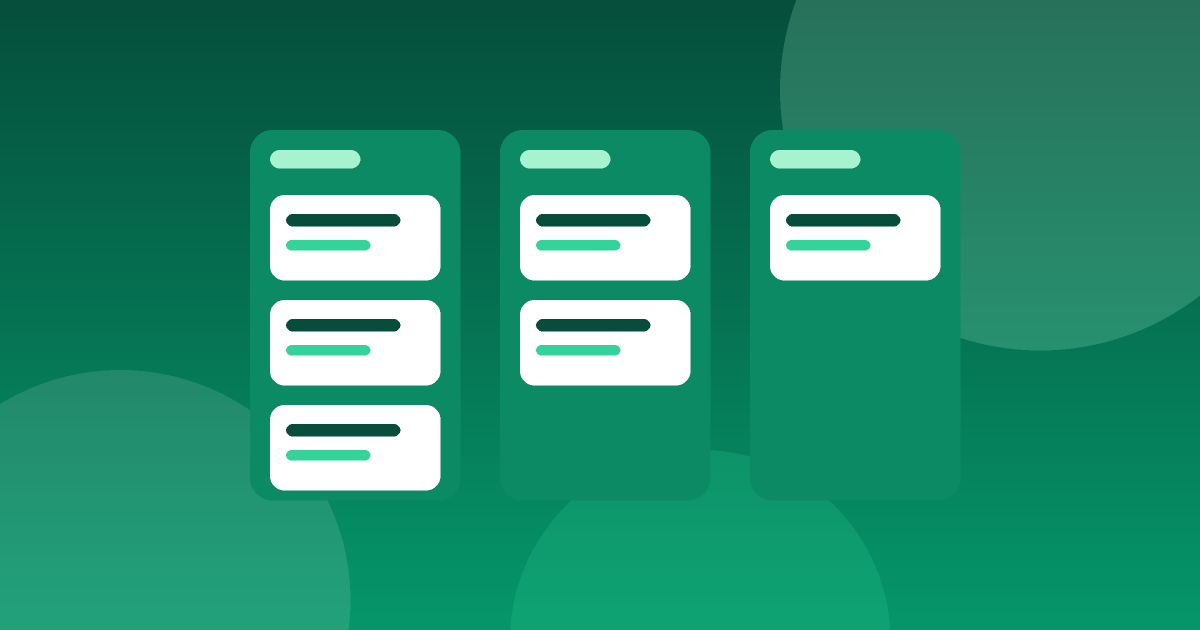
3. Projects with a column-based board
A column-based view (to do, in progress, under review, completed) is enough for most projects. Look for tasks with assigned team members, priorities, and deadlines, as well as drag-and-drop functionality, including on smartphones.
4. Time tracking
If you sell your time, you need to measure it. A timer, an hourly rate saved with each time entry, and the ability to convert tracked hours into invoice line items make the difference between billing for all the work you've done and only part of it. We explore this topic in our article on project time management.
5. Connected invoicing and payments
Invoices should be generated directly from completed work, with totals calculated automatically and correct invoice numbering. You also need payment tracking: outstanding, paid, overdue, along with automatic payment reminders for late-paying customers. If you operate in Italy, check how the platform handles electronic invoicing: natively, through a connector to the software you already use, or by manually uploading a file.
6. A customer portal
A secure area where customers can view quotes, invoices, project status, and send you messages can save you dozens of emails. If you work under your own brand, look for a white-label portal displaying your branding rather than the software provider's.
7. Recurring tasks, without having to remember them
Maintenance fees, subscriptions, annual contracts: your management platform should automatically issue (or prepare) recurring invoices and notify you before contract renewal dates and deadlines.
The question to ask before choosing: how does the price scale?
Many platforms charge per user: every additional team member means an additional cost. For a small agency, which often works with external or seasonal collaborators, costs can add up quickly. Ask how the price changes when you add a user, a module, or a customer, and whether there are any fees for exporting your data if you decide to switch platforms in the future.
Our own approach
CursusOffice was born out of a web agency, Design Web Multimedia Agency, which faced exactly this challenge. It brought customers, quotes, projects, time tracking, invoices, and a branded customer portal together in one place. The free trial lasts 30 days, importing customers and products from Excel or CSV is free even during the trial, and you can export all your data whenever you want.
In summary
- Customer records with validated tax information.
- Quotes that become projects and invoices.
- A task management board.
- Tracked and billable hours.
- Payment tracking and reminders.
- A branded customer portal.
- Recurring invoices and contract deadlines.
Before making your decision, test the entire workflow with a real customer. It's the quickest way to find out whether a platform will actually save you time.